- No call out charge
- Fast, professional and experienced staff
- Fixed priced quotes
Bad Smells from Blocked Drains.
Bad Smells from Drains Colchester; Causes, Solutions & Drain Cleaning
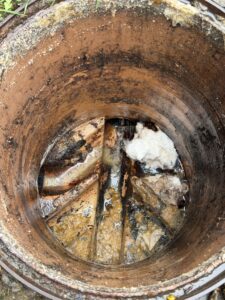 If you’ve noticed bad smells from your blocked drains in Colchester, it’s often a sign that there’s an underlying drainage problem that needs attention. Unpleasant odours from your kitchen sink, bathroom drain, toilet, or outside drains are commonly caused by blockages, trapped waste, or damaged pipework.
At DrainMaintain, we help homeowners and businesses across Colchester identify the cause of smelly drains and provide professional drain cleaning and drain unblocking services to restore your drainage system.
Why Do Drains Smell?
Bad drain odours don’t usually appear without reason. They are often caused by waste building up inside your drainage system, preventing water from flowing away properly.
Food Waste and Grease
Kitchen drains commonly become blocked with cooking fats, oils, grease, and food debris. As this material breaks down, it creates unpleasant smells that can spread throughout your home.
Hair and Soap Build-Up
Bathroom drains frequently become clogged with hair, soap residue, and personal care products. This build-up creates the ideal environment for bacteria, leading to persistent drain odours.
Standing Water
Partially blocked drains often leave water sitting inside the pipework. Stagnant water quickly develops unpleasant smells and can attract bacteria.
Damaged Drains or Sewer Gas
In some cases, bad smells may indicate damaged drains or issues with your drainage system that allow sewer gases to escape. These problems should be investigated by a professional drainage engineer as soon as possible.
Signs You May Have a Blocked Drain;
If you’re experiencing bad smells from your drains in Colchester, you may also notice:
- Slow-draining sinks, showers, or baths
- Gurgling noises from your drains
- Water backing up into sinks or toilets
- Overflowing outside drains
- Drain odours that become worse after running water
If several of these symptoms occur together, your drainage system may require professional attention.
How to Get Rid of Bad Drain Smells;
Try These Simple Steps
For minor blockages, you can try:
- Pouring hot water down the drain to help dissolve grease
- Using baking soda and vinegar to remove organic build-up
- Cleaning removable drain traps and waste fittings
Avoid using harsh chemical drain cleaners, as they can damage pipework and often fail to remove the underlying blockage.
Professional Drain Cleaning in Colchester
If unpleasant smells continue to return, the blockage may be deeper within your drainage system.
At DrainMaintain, we use specialist drainage equipment including:
- High-pressure drain jetting
- CCTV drain surveys
- Professional drain cleaning equipment
These methods allow us to completely remove blockages, identify hidden drainage issues, and restore your drains safely and effectively.
Prevent Bad Smells from Returning
Simple preventative maintenance can help keep your drains clean and odour-free.
We recommend:
- Never pouring fats, oils, or grease down sinks
- Using drain strainers to catch hair and food waste
- Flushing drains regularly with hot water
- Arranging routine drain maintenance for older properties
- Booking CCTV drain surveys if drainage problems keep returning
Taking these simple steps can help prevent future blockages and extend the life of your drainage system.
Need Help with Bad Smells from Blocked Drains in Colchester?
If you’re experiencing persistent bad smells from drains in Colchester, don’t ignore the warning signs. Unpleasant drain odours are often the first indication of a blockage or drainage fault that could become more serious over time.
DrainMaintain provides professional drain unblocking, CCTV drain surveys, drain cleaning, and drain repairs throughout Colchester for both residential and commercial properties.
Contact our friendly team today for fast, reliable drainage solutions and let us get your drains flowing freely again. Give us a call on 0333 700 1122.
Take a look at what our previous customers have to say here.

We proudly offer a year-round service for all your drainage or Plumbing emergencies throughout Essex, Suffolk and the London area. With highly-qualified drainage technicians on-call 24/7, we aim to respond immediately to emergency call-outs. Should you be unfortunate enough to experience a serious drain blockage, you can rely on us to be at the end of the phone, ready to assist.
Latest news
Site links
Contact details
Phone
Email
enquiries@drainmaintain.co.uk
Social Links
facebook | twitter
Company Address
8 Blue Barns Business Park,
Old Ipswich Road,
Colchester, CO7 7FX